


Dysprosium Prices
Current Dysprosium price: $2,166.15 per kg.
Price as of Oct 19 2026. 1 The price shown above is the retail price for private investors and is aligned with industry retail pricing. For bulk dysprosium purchases, whether for industrial use or investment, please contact us for a quotation.
Dysprosium price performance over time
| Period | Dysprosium price then | Change to today |
|---|---|---|
| Current price | $2,166.15/kg | — |
| 1 year | $453.90/kg | +377.23% |
| 2 years | $408.00/kg | +430.92% |
| 3 years | $540.70/kg | +300.62% |
| 5 years | $711.40/kg | +204.49% |
| 10 years | $254.02/kg | +752.75% |
Dysprosium Historical Price Movement
Dysprosium prices have become increasingly influenced by the supply risks surrounding heavy rare earths and the growing importance of heat-resistant magnet materials.
At today’s price of $2,166.15 per kg,
dysprosium is
up 377.23% year to date,
up 513.47% since the start of 2025,
up 268.77% since the start of 2024,
and up 527.43% since the start of 2020,
when the dysprosium price stood at $345.24 per kg.
This reflects dysprosium’s importance in permanent magnets, nuclear shielding, glass production, and halogen lamps, combined with a market where limited extraction and concentrated rare-earth supply chains can tighten availability quickly.
Dysprosium annual price performance
| Current Dysprosium Price/kg |
2026 YTD | 2025 | 2024 | 2023 | 2022 | 2021 | 2020 |
|---|---|---|---|---|---|---|---|
| $2,166.15 | 377.23% | 28.55% | -39.89% | -10.10% | -15.10% | 87.21% | 19.08% |
To get a full picture of the potential price trajectory for dysprosium, let’s explore its myriad uses and delve into which countries produce it the most. Armed with this knowledge, we can make more informed predictions about what lies ahead (jump to forecast).
Dysprosium is a chemical element with the symbol Dy and atomic number 66. It is a rare earth element with a metallic silver luster.
Dysprosium is seldom encountered as a free element in nature and is usually found in minerals such as xenotime, dysprosium-yttrium fluorite, gadolinite and euxenite. 32Dy makes up about 0.06% of the Earth’s crust.
Dysprosium Uses
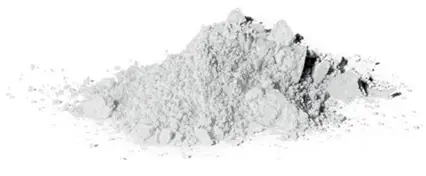
Dysprosium Powder
Dysprosium is one of the most critical heavy rare earths used in modern industry. Its exceptional magnetic and thermal properties make it indispensable in high-performance technologies, especially those driving the clean-energy transition.
Permanent Magnets and Green Technologies
The majority of dysprosium produced today is used in neodymium-iron-boron (NdFeB) permanent magnets, where it significantly improves resistance to demagnetization at high temperatures. These high-strength magnets power electric vehicle motors, wind turbine generators, and advanced robotics, forming the backbone of the green-tech revolution.
Nuclear, Defense, and Aerospace
Because of its neutron-absorbing abilities, dysprosium is used as an alloying element in control rods for nuclear reactors. Its stability under extreme conditions also makes it valuable in defense, aerospace, and precision guidance systems, where reliability and heat tolerance are paramount.
Specialty and Emerging Applications
Dysprosium compounds are used in lighting, laser materials, and specialty glass production. Research is expanding its use in medical imaging and diagnostic lasers, while new energy-efficient technologies continue to open additional commercial pathways.
Strategic Importance
As one of the key “energy transition metals,” dysprosium is now considered essential to the global move toward decarbonisation. The European Union, the United States, and Japan all list it as a critical raw material, citing its irreplaceable role in clean-energy manufacturing and its highly concentrated supply chain in China.
Demand for dysprosium is expected to grow steadily for decades, with analysts projecting that consumption for magnet applications alone will not peak before the 2040s, underscoring its long-term strategic importance.
Where is Dysprosium Produced?
Dysprosium occurs mainly in ion-adsorption clays, which are especially rich in the heavy rare earth elements. The highest-grade deposits are found in southern China, particularly in Jiangxi Province, where clays can contain significantly higher concentrations of dysprosium than monazite or bastnäsite ores found elsewhere.

Today, China controls over 90% of global dysprosium production, not only through mining but, more importantly, through its near-monopoly on refining and separation capacity, which remains the real bottleneck for heavy rare earths.
A large share of the raw ore processed in China originates from Myanmar, whose intermittent mine closures and border disruptions frequently tighten supply and contribute to price volatility.
Outside of China, production remains limited. Smaller volumes come from Australia, Malaysia, and Russia, while Western governments are now investing heavily in projects aimed at diversifying supply. Notably, Lynas Rare Earths has become the first commercial producer of heavy rare earths outside China, though global capacity remains far from meeting projected long-term demand.
What Factors Determine the Price of Dysprosium?
Dysprosium prices are driven by a combination of industrial demand, supply concentration, geopolitical risk, and technological trends.
1. Demand from Permanent Magnets and Green Technologies
The single biggest driver of dysprosium demand is its use in high-performance NdFeB permanent magnets, which power:
electric vehicle motors
wind turbine generators
robotics and automation
industrial motors
As nations accelerate toward low-carbon economies, magnet demand continues to rise. Analysts expect consumption for energy-transition metals like dysprosium to grow steadily into the 2040s, with no peak in sight.
2. Highly Concentrated Supply
While rare earths are relatively abundant in the earth’s crust, economically viable deposits of heavy rare earths like dysprosium are scarce. Extraction is costly, refining is complex, and over 90% of global separation capacity sits in China.
This concentration means dysprosium prices are influenced not just by mining output but by:
Chinese export restrictions
refining bottlenecks
production quotas
environmental enforcement campaigns
disruptions at Myanmar’s ion-adsorption clay mines
3. Geopolitical and Trade Dynamics
Events such as export controls, trade disputes, or border closures can have immediate price impacts, particularly because Western manufacturers have limited alternatives to Chinese supply. Recent policy shifts have shown that heavy rare earth markets are increasingly treated as strategic assets rather than simple industrial commodities.
4. Slow Supply Growth vs. Rapid Technology Adoption
Developing new rare earth mines and separation facilities takes years, often more than a decade. Meanwhile, technological adoption (EVs, wind) grows far more quickly. This mismatch frequently pushes the market into structural deficits, tightening supply and supporting higher prices.
5. Slow and Fragmented Price Reporting
The global rare earth market remains relatively opaque, with spot indices often reflecting only a small share of actual industrial trading activity. Published prices tend to lag behind real-world buyback markets, where manufacturers and refiners may adjust offers much more quickly in response to immediate needs or supply shocks.
To help private investors navigate this, we publish current dysprosium prices directly on our website, offering clear, up-to-date guidance in a market where reliable pricing is not always readily available.
Even in periods when new sales are paused, movements in the industrial buyback market can diverge significantly from published spot prices. This is why, for example, our December 2025 buyback price of $780/kg for existing clients is substantially higher than many published indices: it reflects true industrial demand in real time, rather than delayed spot-market reporting.
Summary
Dysprosium prices are shaped by a unique combination of rising long-term demand, highly concentrated supply, geopolitical leverage, and slow supply-chain development. This environment creates both opportunities and volatility, especially during periods of supply constraint.
Dysprosium Price Forecast
Forecast last updated: .
At a glance
- Price pulse: SMI’s displayed retail price is $2,166.15/kg as of October 9, 2026, with a calculated gain of 377.23% year to date after 28.55% in 2025.
- Market character: This remains a small, strategic, politically influenced market. Prices vary by product form, purity, location, and availability, so Chinese dysprosium oxide benchmarks are not directly comparable with the dysprosium metal prices shown here.
- Updated outlook: Dysprosium retains strategic value, but the exceptional rally raises correction risk. Actual alternative supply and efforts to reduce dysprosium use make a less uniformly bullish forecast appropriate.
What changed for Dysprosium in 2026
The price advance has moved well beyond the Q1 stage discussed previously. A much higher starting valuation changes the balance between further upside and potential downside, even when the material’s industrial importance remains intact. Concentrated supply alone does not establish a permanent price floor.
The IEA’s 2026 assessment documents large differences between European and Chinese heavy-rare-earth prices, consistent with fragmented market access. China’s April 2025 export-licensing regime remains in place, separately from the October expansion, which was initially suspended until November 2026. September’s extension of broader U.S.–China trade arrangements does not by itself confirm the treatment of every rare-earth restriction. Licensing decisions and actual deliveries remain more useful signals than diplomatic headlines alone.
Meanwhile, diversification has moved beyond announcements. Lynas reports customer shipments of separated dysprosium and terbium oxides during FY2026. That is meaningful progress, though oxide shipments do not equal unlimited availability of finished metal. Feedstock, conversion capacity, contracted volumes, and continued ramp-up still matter.
Other capacity remains prospective. In July, Solvay scheduled industrial-scale dysprosium and terbium separation for autumn 2026. This is an announced start-up timetable, not confirmation of sustained commercial output. New facilities must demonstrate consistent quality and reliable delivery before their full impact can be assessed.
What this means for Dysprosium
Dysprosium remains a strategic bottleneck metal in demanding magnet applications. Its ability to improve resistance to demagnetisation at high temperatures supports its value in selected electric-motor, wind, and defence applications.
However, the investment case now needs to distinguish enduring industrial usefulness from its price. A regional supply-security premium can persist, widen, or compress.
Price drivers tilting upward
- High-performance magnet demand: Electrification, industrial motors, and defence systems support demand for reliable magnets where heat resistance and compactness matter.
- Policy and feedstock exposure: Licensing friction, concentrated separation, and disruption risks around Myanmar’s heavy-rare-earth feedstock can still tighten accessible supply abruptly.
- Execution challenges: New capacity needs dependable feedstock, processing expertise, and customer qualification. Delays can preserve the value of established, documented supply.
Potential headwinds to watch
- Premium compression: Smoother licensing, inventory releases, or reduced precautionary buying could trigger a substantial correction before complete supply diversification occurs.
- Lower material intensity: Magnet engineering, cooling, and alternative motor designs can reduce dysprosium requirements. Proterial has demonstrated heavy-rare-earth-free grades for EV motors, including pre-production sampling. This supports a credible substitution risk, without establishing universal replacement or widespread adoption of every new grade.
- Successful supply growth: Sustained output from alternative processors, recycling, and weaker industrial demand could reduce scarcity. Announced projects should neither be counted as immediate supply nor dismissed as irrelevant.
Dysprosium 6–12 month forecast view
Bias: Neutral, with high volatility
Rationale: The substantial repricing warrants caution about further gains from today’s level. Renewed supply disruption could drive another spike, but improved access could bring a meaningful reset lower. The evidence no longer supports treating a higher price base as secure.
12–24 month forecast view
Bias: Balanced, conditionally constructive
Rationale: Growing magnet applications provide support, while qualified deliveries from new processors and lower dysprosium intensity become increasingly important. Upside depends on accessible supply remaining tight relative to demand. Successful ramps and easier trade could instead compress premiums.
3–5 year forecast view
Bias: Cautiously bullish
Rationale: Strategic applications and the difficulty of replicating specialist supply chains retain a constructive long-term case. Confidence is lower than the previous strongly bullish view: recycling, new separation capacity, and technological change could materially alter demand for newly produced dysprosium. Industrial relevance does not guarantee appreciation from the current valuation.
Why physical Dysprosium fits the Strategic Metals Invest playbook
Dysprosium fits the Strategic Metals Invest playbook because it combines small market size, strategic magnet applications, highly concentrated supply, and sensitivity to changes in industrial access.
Its role in high-performance permanent magnets gives physical ownership a clear industrial foundation. When dependable supplies are difficult to secure, suitable material with verified purity and provenance can become particularly valuable to buyers outside China.
That is the attraction of dysprosium: exposure to a specialised material at a vulnerable point in the magnet supply chain. The substantial price rise makes entry valuation important, while alternative production and designs that use less dysprosium will influence how long that opportunity persists.
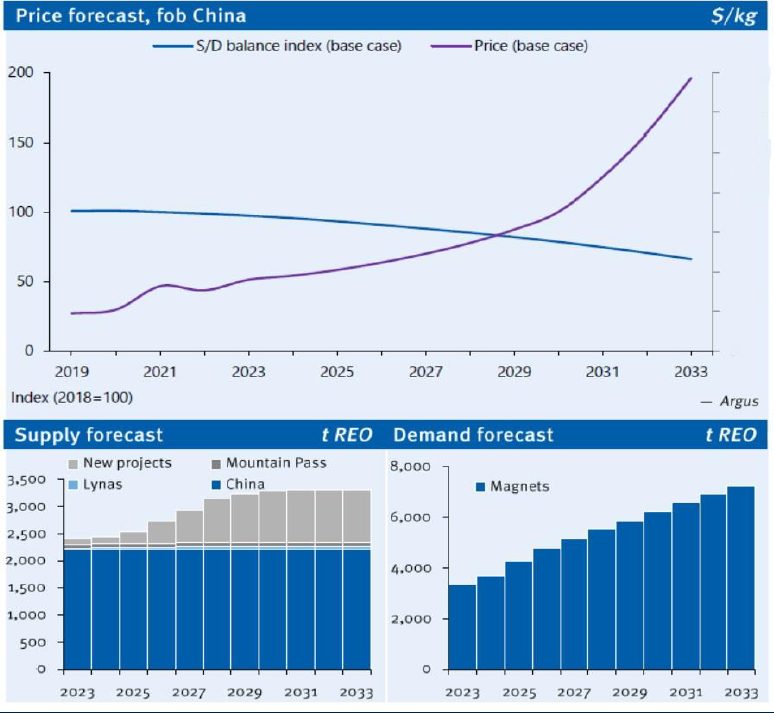
The graphs below show Argus Media’s forecasts for dysprosium’s future price (fob China), demand, and supply.
How to Buy Dysprosium
Industry-grade dysprosium powder is usually sold at minimum 99.5% purity, priced in USD, and the weight unit is per kilogram. Safe storage is essential because, like many powders, dysprosium may constitute an explosion hazard when mixed with air and an ignition source is present.
Corporate buyers such as Tesla, BMW, Ford, and Mercedes use well-established metal dealers to buy industry-grade dysprosium. Renowned metals dealers, such as ourselves, act as key intermediaries between the high-tech industries and the producers of the critical rare earth elements needed by these industries.
Unless you purchase from a reputable dealer (e.g. if you buy on Amazon, Alibaba, or eBay), there’s no guarantee of purity and no possibility of liquidation to anyone other than hobbyists.
Any discerning investors who want to benefit from future price increases by purchasing and owning some dysprosium can do this through us. By doing so, you are buying from the only globally licensed industry supplier offering this option to private investors.
Dysprosium futures contracts can also be traded in the Shanghai Metal Market (SMM).
How to Sell Dysprosium
Please note that the only end buyers for your industrial-grade dysprosium are industry buyers such as General Motors, Honda, Tesla, Apple, and First Solar. These buyers will only buy from established industry suppliers with documentary evidence of the complete chain of custody. They don’t buy from the likes of eBay, Alibaba, or Amazon.
No industry buyer will transact with a seller that cannot provide the entire chain of custody documentation, analysis & purity reports, and proper storage facilities. We guarantee the fast and safe liquidation of the rare earth elements of our investors because we’re such an industry supplier.
1 This price is based on the latest available industry-partner valuation for Dysprosium, dated Oct 06 2026. Prices may be carried forward until a newer market price becomes available. Currency conversions use the latest available ECB exchange rate.
Calculations on this page last updated Oct 19 2026.