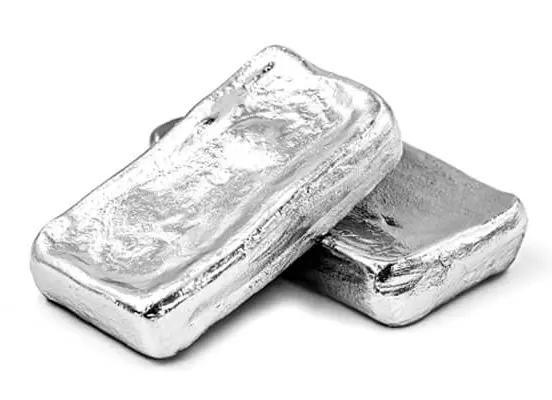
Platinum Prices

The current price of Platinum is $56.38 per gram.

Please note that the price provided is the retail price for private investors and is aligned with industry retail pricing. For bulk purchases, whether investment or industry, please contact us directly for a quotation.

Table: Platinum Historical Prices and Price Changes

DatePlatinum PriceChange % to TodayAnnual Change %
Dec 04 2025$56.38 / g
Jan 1 2025$32.04 / g +75.98%
Jan 1 2024$33.00 / g+70.87%-2.91%
Jan 1 2023$37.57 / g+50.09%-12.16%
Jan 1 2022$34.29 / g+64.45%+9.57%
Jan 1 2021$37.74 / g+49.39%-9.14%
Jan 1 2020$33.58 / g+67.90%+12.39%
Jan 1 2019$28.36 / g+98.81%+18.41%
Jan 1 2018$32.88 / g+71.51%-13.75%

Platinum Historical Price Movement

At today’s price of $56.38 per gram (0.035274 ounces), platinum is up +75.98% since the start of this year, and +70.87%since the start of 2024.

The price difference is +64.45% compared to its value of $34.29 per g on Jan 1st 2022, and +67.90% since Jan 1st 2020. If we go back to Jan 1st, 2019, when the cost of platinum was $28.36 per g, then there’s an increase in the price of +98.81%.

Platinum is a dense, malleable, highly unreactive, ductile, silverish-white transition metal with the chemical element symbol Pt and atomic number 78.

To make an educated forecast on the price of platinum, let’s have a closer look at its uses, its production, and the key factors that will drive the cost of platinum in the future (jump to our forecast).

Platinum Uses

Platinum

Platinum’s versatility is evident in its wide range of applications. It may surprise you, but it’s not the jewelry industry but the automotive sector that accounts for the highest percentage (43%) of global platinum consumption. In this industry, platinum, along with palladium and rhodium, is used to coat the ceramic hearts of catalytic converters, devices that reduce harmful emissions from vehicles. Due to economic considerations, there’s a trend towards reducing the proportion of palladium in favor of platinum. As environmental regulations become stricter worldwide, the demand for platinum in this sector is expected to grow significantly.

The jewelry industry consumes about a quarter of the annual platinum demand. Its lustrous appearance and resistance to tarnish make it a popular choice, especially for engagement rings, earrings, and necklaces. Its hypoallergenic properties mean it’s ideal for those with sensitive skin, ensuring that jewelry made from platinum remains both beautiful and comfortable.

Additionally, platinum catalysts find applications in the chemical and petrochemical sectors. Fuel cell technology, which requires platinum and iridium as catalysts for producing emission-free and green hydrogen from wind or solar energy, could emerge as a significant application area in the future.

Furthermore, platinum’s high melting point and excellent conductivity make it invaluable in various industrial applications. It’s used in electronics, dental fillings, and even in certain cancer treatments. Platinum’s versatility ensures that its demand remains steady across multiple sectors.

 

Where is Platinum Produced?

South Africa dominates the global platinum production, contributing to around 80 percent of the total output. Russia and Zimbabwe also contribute to the platinum supply. With their abundant reserves, these countries play a pivotal role in determining the worldwide availability and, consequently, the price of platinum.


South Africa

In 2022, mine production is projected to reach 195 tons. Given the rarity of this strategic precious metal, recycling plays a pivotal role. It’s estimated that about 57 tons of platinum will be recovered in 2022 through the recycling of autocatalysts. The primary production is already falling short of the anticipated total demand of 216 metric tons, emphasizing the importance of recycled platinum in meeting peak demands.


What Factors Determine the Price of Platinum?

The price of platinum is a result of a delicate interplay between supply and demand. On the demand side, for example, the automotive industry is a significant consumer. As countries push for cleaner emissions, the role of platinum in catalytic converters becomes even more crucial, driving its demand and price upwards.

However, the supply side presents its challenges. Geopolitical events, labor strikes in major mining regions, and mining costs can impact the supply chain. Any disruptions in the primary producing regions, like South Africa, can lead to significant price volatility, making the platinum market susceptible to external shocks.


Platinum Price Forecast

Platinum’s performance this year has been nothing short of remarkable. At $56.38 per gram, the metal is up +75.98% year-to-date, a far stronger move than the gradual single or low-double swings that characterised previous years. This surge reflects a market where fundamentals are finally asserting themselves after a long period of undervaluation.

The World Platinum Investment Council continues to warn of elevated supply risks, while Germany’s Raw Materials Agency (DERA) classifies platinum’s supply outlook as critical. These concerns are not theoretical; they are playing out in real time. South African production, which underpins the global supply, remains constrained by power shortages, mine closures, and underinvestment. Russian supply remains unpredictable. Above-ground inventories, once ample, are steadily being drawn down.

On the demand side, automotive catalysts remain a key driver, but platinum’s role is expanding. Industrial sectors such as chemical processing, glass manufacturing, and electronics continue to show solid consumption. The most important long-term development, however, is platinum’s position at the centre of the hydrogen economy, from electrolysers to fuel-cell technologies. As global investment accelerates, these applications are expected to become a major pillar of future demand.

Despite this year’s sharp rise, many industry analysts still view platinum as structurally undervalued relative to its scarcity, strategic importance, and multi-sector demand profile. With the market already in deficit and supply risks compounding, the medium- and long-term outlook remains firmly bullish.

That said, short-term fluctuations should not be ignored. A move of +75% in a single year naturally raises the prospect of temporary pullbacks or consolidation phases. For informed investors, however, this volatility often presents opportunities rather than obstacles.

In short: platinum’s fundamentals are strengthening, its strategic relevance is rising, and its supply base is under growing stress. Those forces together suggest that the recent gains may not mark the end of the story, but rather the beginning of a market finally repricing a critical metal.

How to Buy Platinum

For those looking to invest in platinum, there are several avenues available. You can purchase physical platinum in the form of bars or coins. Ensuring the authenticity and purity of your platinum is vital, especially with the rise of counterfeit products in the market, so always buy from established sources with a good track record … like ourselves.

By choosing us, you’re not merely purchasing platinum, but you’re securing an asset of guaranteed purity. As a pivotal intermediary between industry users and metal producers, we provide certified platinum that adheres to the highest industry standards (min. 99.95 LPPM Brand), ensuring that every ounce you buy is genuine.

Apart from physical platinum, investors can also explore platinum futures contracts. These contracts allow investors to buy or sell this strategic precious metal at a predetermined price in the future. It’s a way to hedge against price fluctuations and can be traded on various commodity exchanges.


How to Sell Platinum

When it comes to selling platinum, ensuring its purity is paramount. Before approaching a buyer, you should get the platinum assayed to determine its exact purity and value. This not only gives you a clear idea of its worth but also instills confidence in potential buyers.

However, liquidating platinum assets in that way can often seem like a complex endeavor, especially if you’re unfamiliar with the intricacies of the market. This is where we come in. If you buy (and store) your platinum with us, you’re guaranteed a seamless, fast, and efficient liquidation process.

Industry buyers like Honda, Mercedes, and General Motors, known for their rigorous standards, exclusively seek pure, industrial-grade platinum from recognized and reputable suppliers. We pride ourselves on our transparency, providing buyers with comprehensive documentation, including a complete chain of custody, purity reports, and evidence of proper storage facilities. Such documentation is not just a formality; it’s a necessity for industry buyers and is instrumental in guaranteeing a smooth selling process.

Moreover, our vast network and industry connections ensure that your assets penetrate the market promptly, fetching you the best value. In the realm of strategic precious metals investing, trust is paramount, and by partnering with us, you’re ensuring that your investments are not only in safe hands but also poised to yield optimal returns when it’s time to sell.


All prices on this page last updated Dec 04 2025.

Build a smarter metals portfolio. Download your free guide to owning both precious and strategic metals:

    NO SPAM! - our privacy policy