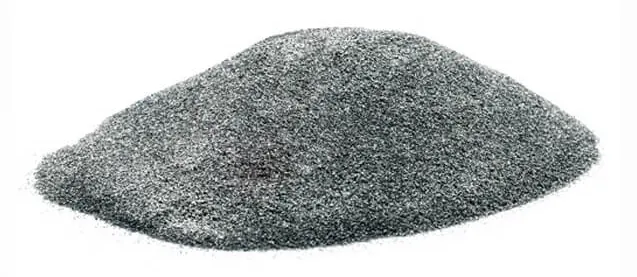
Ruthenium Prices

Today’s price of Ruthenium is $31.99 per gram.

Please note that the price presented is the retail price for private investors and is aligned with industry retail pricing. For bulk purchases, whether industry or investment, please contact us directly for a quotation.

Table: Ruthenium Historical Prices and Price Changes

DateRuthenium PriceChange % to TodayAnnual Change %
Dec 16 2025$31.99 / g
Jan 1 2025$18.54 / g+72.58%
Jan 1 2024$16.20 / g+97.51%+14.44%
Jan 1 2023$19.22 / g+66.40%-15.71%
Jan 1 2022$20.28 / g+57.72%-5.32%
Jan 1 2021$10.41 / g+207.42%+94.81%
Jan 1 2020$8.82 / g+262.75%+18.03%
Jan 1 2019$9.88 / g+223.89%-10.73%
Jan 1 2018$7.05 / g+353.44%+40.14%

Ruthenium Historical Price Movement

At the cost of ruthenium today, $31.99 per gram, the annual change so far is +72.58%. Compared to its price on January 1st 2024 the value difference is +97.51%.

The price increase since January 2020 ($8.82 / g) is currently +262.75%. If we go back to January 1st 2018, when ruthenium was priced even lower at $7.05 per g, then the increase is as high as +353.44%.

Ruthenium, a member of the platinum group of metals, is a rare, silvery-white, hard, and brittle metal. It has the chemical element symbol Ru and atomic number 44. Its unique properties make it an essential component in various industries, from electronics to catalysis. To better understand how much we can expect to spend on ruthenium in the future, it helps to understand the uses of this strategic precious metal and who produces it (click here to jump to the ruthenium forecast).

Ruthenium Uses

Ruthenium

Ruthenium’s diverse applications stem from its exceptional properties. In the electronics industry, ruthenium is used as a hardening agent for platinum and palladium, making these metals more durable and wear-resistant.

Its high melting point and excellent conductivity make it a preferred choice for electrical contacts and thin-film resistors. Its use as a coating for hard disks or to reduce the size of integrated circuits means ruthenium is present in almost all data centers.

In the realm of catalysis, ruthenium also plays a pivotal role. It serves as a catalyst in various chemical reactions, including the production of ammonia and acetic acid. Its efficiency in promoting specific reactions has made it indispensable in the chemical industry.

The medical field also benefits from ruthenium. Its compounds are being explored for potential use in cancer treatments, specifically in photodynamic therapy. Additionally, ruthenium’s corrosion-resistant properties make it ideal for certain types of medical implants.

Furthermore, ruthenium finds its place in the emerging field of renewable energy. It is used in dye-sensitized solar cells, which are considered a promising alternative to conventional silicon solar cells. With the global push towards sustainable energy solutions, ruthenium’s role in this sector is bound to grow.

Where is Ruthenium Produced?

Ruthenium is primarily obtained as a by-product of platinum and nickel mining. Most of the world’s ruthenium production comes from South Africa, followed by Russia. With their rich mineral reserves, these countries play a crucial role in determining the global availability and, consequently, the price of ruthenium.

Given the rarity of ruthenium and its increasing demand, recycling, and efficient extraction methods are becoming more critical. The strategic importance of ruthenium is evident from its inclusion in various national lists of critical raw materials.

South African Flag

What Determines the Price of Ruthenium?

Its supply and demand dynamics influence the price of ruthenium. The electronics, chemical, and renewable energy sectors play a significant role on the demand side. As technology advances and the push for sustainable solutions intensifies, the demand for ruthenium rises.

On the supply side, challenges in mining, geopolitical tensions, and environmental concerns can impact the availability of ruthenium. Disruptions in major producing regions can lead to significant price volatility, making the ruthenium market susceptible to external factors.

Ruthenium Price Forecast

Ruthenium has quietly become one of 2025’s strongest performers. At $31.99 per gram, it now trades at new all-time highs, up +72.58% year-to-date and nearly 100% above the 2024 level. Over the past decade, few metals in the PGM family have shown this kind of sustained, multi-year momentum.

A Demand Pipeline Powered by Advanced Tech

Ruthenium’s industrial relevance continues to expand. Its role in hard disk drives, chip resistors, catalysts, solar energy, and emerging next-generation electronics, including memory storage technologies and experimental quantum architectures, keeps demand firmly anchored to the long-term direction of the tech sector.

As industries prioritise higher efficiency, miniaturisation, and clean-energy performance, ruthenium naturally rides those investment waves. The shift is structural, not cyclical.

Decade-Long Supply Constraints Are Now Colliding With Demand Growth

Ruthenium supply has always been tight. It is produced as a minor by-product of platinum mining, meaning output is dictated not by ruthenium demand but by whatever the PGM mines decide to produce for platinum and palladium. That structural bottleneck hasn’t eased, and with South Africa’s ongoing power constraints, plus geopolitical uncertainty in other PGM-producing regions, production reliability remains questionable.

The market learned this the hard way through several supply squeezes over the past decade; those dynamics are resurfacing again.

Why the Market Has Turned So Strongly Bullish

The combination of:

  • a sharp rebound in industrial demand,

  • accelerating use of ruthenium in clean-energy and electronics supply chains,

  • structurally limited production, and

  • zero strategic stockpiles outside major PGM producers

…has pushed ruthenium into a classic supply-demand imbalance.

At $31.99/g, ruthenium is now trading like a metal that the market finally recognises as strategically important, not just as a niche PGM side-story.

Outlook: Momentum With Room to Run

Given the tight supply mechanics, growing industrial pull, and the lack of viable substitutes, the medium- to long-term picture remains decisively bullish. Ruthenium’s recent surge doesn’t look like a speculative spike; it looks like the market is catching up to fundamentals that have been building for years.

The broader theme is clear: as global technology continues to scale upward, especially as energy-transition materials gain priority, ruthenium is positioning itself as one of the PGMs with the strongest structural tailwinds.

How to Sell Ruthenium

When selling physical ruthenium, ensuring its purity is of utmost importance. It’s advisable to get the metal assayed before selling. Industry buyers will only buy ruthenium from reputable suppliers who can provide full chain of custody and purity reports.

In case you purchase and store your ruthenium with us, the process of liquidating your assets is streamlined and efficient. Our commitment to transparency, comprehensive documentation, and strong industry connections ensure your investments are in safe hands and poised to yield optimal returns when the time comes to sell.

How to Buy Ruthenium

For those interested in investing in ruthenium, several options are available. Physical ruthenium can be purchased from various sources, including eBay and Alibaba. Ensuring the authenticity and purity of the metal is crucial, though. In the world of strategic precious metals, trust and reliability are paramount.

By choosing a certified industry supplier like ourselves, you’re not just buying ruthenium but investing in a metal of guaranteed purity, adhering to the highest industry standards.

Apart from physical ruthenium, investors can also explore futures contracts.


All prices on this page last updated Dec 16 2025.

Build a smarter metals portfolio. Download your free guide to owning both precious and strategic metals:

    NO SPAM! - our privacy policy